

Peel and stick wall panels are the secret weapon for renters, first-time decorators, and DIYers wanting dramatic, risk-free room upgrades—fast. In just one weekend, these self-adhesive panels deliver instant texture, color, and even sound dampening, all without tools or permanent changes to your walls or deposit. If you crave change and hate commitment, this could be your smartest move for an “Instagram-ready” space.
Key Takeaways
- Peel and stick wall panels are booming thanks to their ease, affordability, and truly renter-friendly removal—no damage, no mess.
- Beyond accent walls, panels can upgrade ceilings, furniture, and acoustics with minimal skill or time investment.
- Most installation issues (like peeling corners) are 100% avoidable—if you follow a simple, proven workflow.
Table of Contents
Why peel and stick wall panels are the smart buy in 2024–26
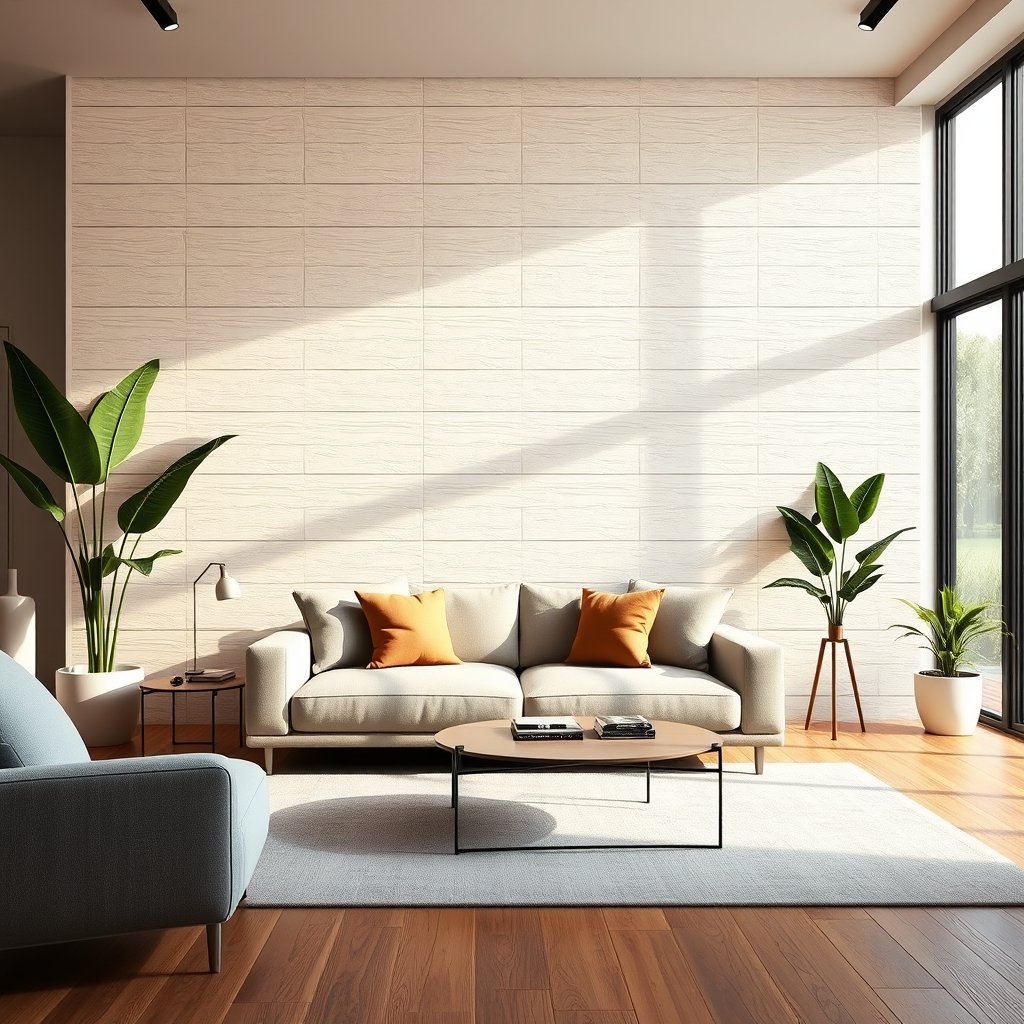
Peel and stick wall panels have gone mainstream. The U.S. wall covering and decor sector is expected to hit $15.6 billion in 2026 and climb to nearly $20 billion by 2031. Much of this growth is fueled by the explosion in renter-friendly, peel-and-stick products—delivering flexibility, speed, and style on-demand.
This isn’t a fad. What’s changed is:
- Availability: Huge variety of finishes, colors, and panel patterns—wood grain, stone, 3D, acoustic—all just a click away online.
- Design cycle speed: More people now refresh spaces once a year or more—renter or not. Peel and stick means you can redo a living room or bedroom for <$200, in a single weekend, with zero contractor drama.
- Ecommerce + social media: TikTok and Instagram trends (like geometric walls and cozy headboard alcoves) drive home décor buying—and rental-proof panels let anyone go viral without risking their deposit.
- Functionality: With acoustic, lightweight, or moisture-resistant backings, panels are starting to solve real problems—noise, echo, ugly ceilings—not just create pretty walls.
Market studies show about 63% of DIY buyers now prefer peel-and-stick options, with nearly 49% of first-timers choosing them for instant upgrades, and 58% citing cost-efficiency as the top reason. It’s right place, right time, and likely the easiest high-impact DIY you can do in 2024.
Step-by-step guide to a flawless install
Forget the horror stories about curled corners and peeling seams. Follow this fast, Emma-proof workflow for peel and stick wall panels and you’ll have a picture-perfect accent wall, ceiling, or furniture revamp—without sticky regrets or handyman bills.
- Choose location and product: Accent wall? Ceiling? Furniture or headboard? Measure your area, then order your preferred panel style. Always over-order by at least 10% to cover mistakes or odd cuts.
- Prep surface: Wipe walls with a damp, lint-free cloth. Remove dust, residue, oils—no shortcuts here. For freshly painted walls, wait at least two weeks before applying panels.
- Acclimate panels: Let them sit in your room for 24 hours to match temperature and humidity. This single step prevents most lifting and adhesion failures later.
- Layout with a grid: Use a level and pencil to lightly mark guidelines on the wall. Dry-fit (without sticking) the first row to preview seams and pattern flow.
- Peel and stick: Remove backing and apply panels top-down, firming in place by hand, then using a soft roller or clean cloth to press out air and boost adhesive grip.
- Finish seams: For best results, slightly overlap or butt seams (per the manufacturer’s instructions). Press corners double-hard—use a caulk tool for crisp edges if needed.
- Check and tweak: Inspect for bubbles, misalignments, or corners needing extra pressure. Lightly warm difficult spots with a hairdryer if required; this activates adhesives for a final, tight seal.
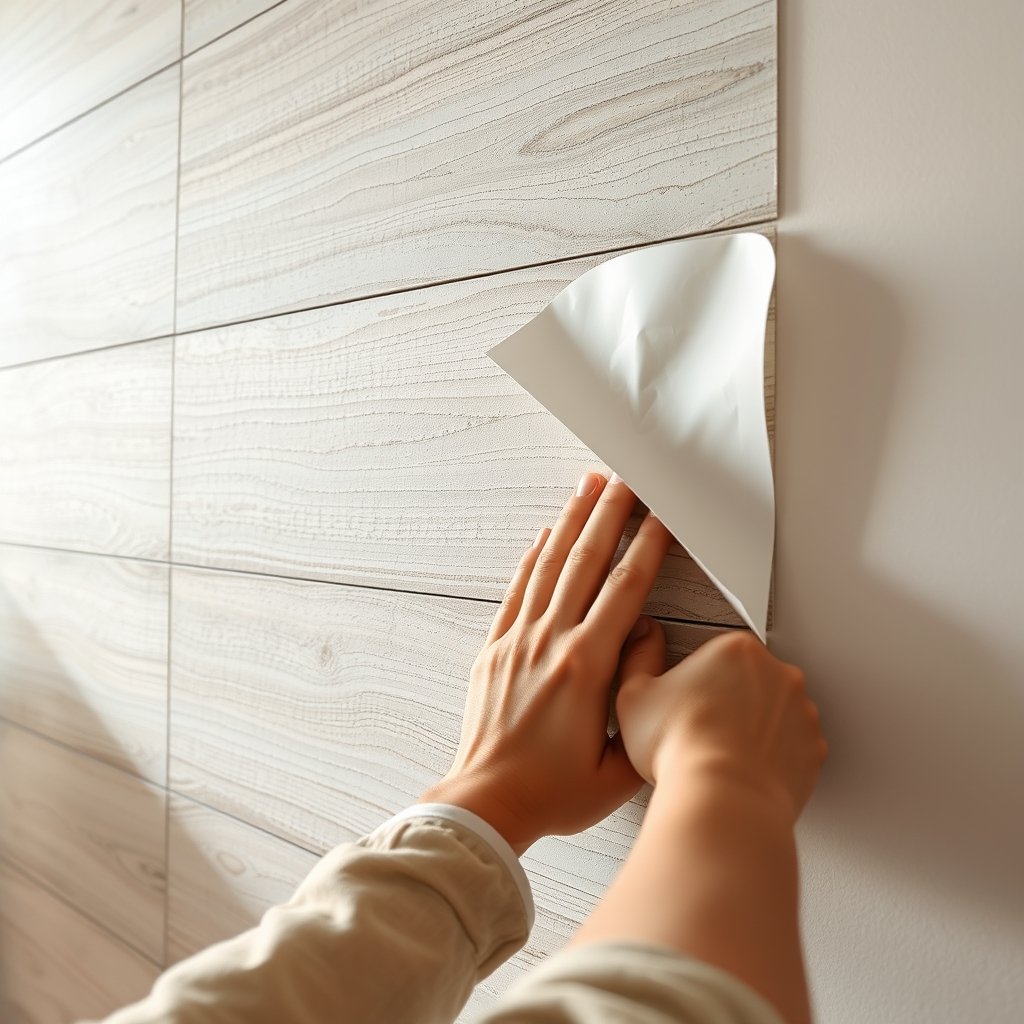
Need inspiration? Try a geometric mix-and-match pattern or add panels to ceilings, upper cabinets, or even the back of bookcases for major texture with zero tools. Looking for home energy upgrades? Check out our Smart Home Energy Monitor guide for more quick wins that are just as renter-friendly.
Advanced analysis and common pitfalls (what to really watch for)
Most negative reviews of peel and stick wall panels boil down to a few avoidable issues. Here’s what Emma (and anyone else) needs to know:
| Problem | Cause | Fix/Prevention |
|---|---|---|
| Lifting corners | Poor surface prep, humidity swings, not enough pressure | Clean walls, let panels acclimate, use a roller/hard pressing |
| Visible seams | No planning grid, uneven panel cuts, bad alignment | Mark layout lines, dry-fit panels, overlap slightly as directed |
| Premature detachment | Low-grade adhesive, oily/unfinished walls, skipping acclimatization | Buy high-quality brands, never install on glossy/greasy paint, acclimate panels 24+ hours in room |
| Bubbling or wrinkling | Trapped air, rough walls, rushed install | Press out bubbles with a roller, work slowly panel by panel |
| Paint removal when taking down | Old/weak paint, too strong adhesive, rushing removal | Lift panels gently, use a hairdryer to warm adhesive, remove slowly |
Sound daunting? It’s not. The main culprits (skipping surface cleaning and not letting materials adjust to room humidity) are easily avoided by taking your time up front.
Ready to try a fresh look for your furniture or even your ceiling? We’ve got a full rundown of garage gym upgrades and air purifier picks if you want other smart, non-permanent DIYs.
For the ultra-cautious, prioritize panels designed for removability—many brands now highlight “renter-safe” or “clean peel” adhesives specifically for temporary installs. Shopping for the right peel and stick wall panels is easier than ever (removable wallpaper market hit $1.99B in 2024, with even more options).
Conclusion: Make your move in a weekend
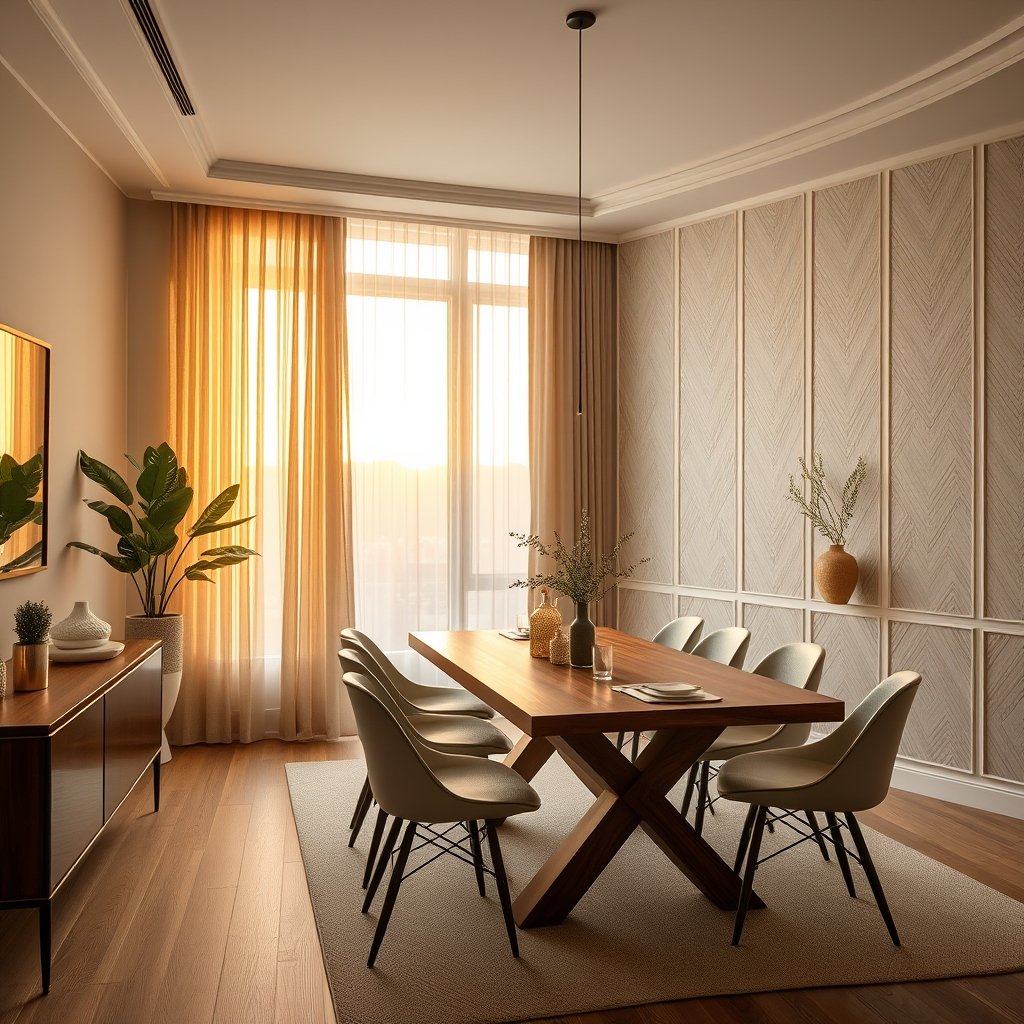
Peel and stick wall panels have reshaped what’s possible in DIY decorating for renters, busy professionals, and design lovers on a budget. They’re inexpensive, fast, safe to remove, and—if you follow a few basic rules—basically foolproof. Whether you want a show-stopping accent wall, quieter bedroom, or a ceiling that doesn’t scream rental beige, now’s the perfect time to act.
Want to start? Pick your color, measure your wall, and grab a best-selling starter kit—most come with everything you need, cut-list included. For savvy DIYers, compare brands that highlight “easy removal” and “renter-safe”—then you can switch up your style again next season, risk-free. Peel and stick wall panels are the shortcut to a space you’ll actually love living in.
Inspired to make your space smarter from top to bottom? Check out our guides on solar panel cleaning and portable home backup power for even more ways to upgrade, renter-style.
Ready? Jump to the quick-start workflow above or browse a curated “Buy + Install in a Weekend” starter pack—your Instagram moments (and your security deposit) will thank you.
FAQ: Quick answers to common peel and stick wall panel questions
Will peel and stick wall panels peel paint when removed?
If installed on well-cured paint (at least 2 weeks old) and removed slowly, most panels will leave walls safe. Warming panels with a hairdryer as you go lowers the risk even further.
Can I use peel and stick wall panels in a bathroom or kitchen?
Yes—but always choose panels rated for high humidity and smooth, glossy surfaces. Be sure to wipe down surfaces and let them dry fully before application.
What do I do if a corner starts lifting?
Firmly press the corner back down with a clean cloth or roller. Adding gentle heat from a hairdryer can help reactivate the adhesive for a better grip.
How do I avoid seams showing?
Dry-fit the first row, follow layout lines, and press or overlap seams as directed by the brand. For extra smoothness, use a soft roller along every joint as you work.
Are peel and stick wall panels reusable?
Most are designed for single-use only. Removal is easy, but the adhesive will lose strength after the first install—always buy a little extra to cover repairs or swaps.