

### Blog Post:
automatic cat litter box sales are soaring in 2024, but picking the right model still confuses many cat owners. With prices ranging from $150 to $800, buyers need trustworthy, specific advice based on real technical details—not just marketing claims. This guide cuts through the noise by focusing on failure points, overlooked specs, and real-world tests you can run before and after purchase.
Key Takeaways
- The global automatic cat litter box market is valued at about $1 billion in 2024, fueling fierce competition and broad feature variety (Persistence Market Research).
- Top buyer complaints include unreliable sensors, mechanical breakdowns, and poor litter compatibility—areas most competitor reviews skip (Wirecutter).
- Always demand precise answers from sellers about noise levels, sensor calibration, parts availability, and warranty terms—these are rarely detailed on product listings.
- Quick Buy Summary — Who This Is For & Top Picks
- 2024 Market Snapshot — Why Automatic Boxes Are Growing
- The 3 Most Common User Complaints (What To Watch For)
- Final Recommendation & Next Steps
- FAQs & Myths — Short Answers to Common Buyer Fears
Quick Buy Summary — Who This Is For & Top Picks
If you’re a busy urban professional with one or two cats, crave low-maintenance cleanup, and plan to spend mid-to-premium dollars for genuine convenience, the new breed of automatic cat litter box is designed for you. Here’s a quick decision tree:
- Multi-cat or big cats? Focus on models with larger interior volumes (≥ 20L), robust anti-jam motors, and wide entryways.
- Budget under $300? Prioritize models with basic raking or rotating mechanisms, but expect more manual resets and tighter cleaning cycles.
- Small space or apartment living? Seek out enclosed designs with verified dB under 45 and compact footprints, ideally with odor-filter drawers.
- Prefer minimal upkeep? Look for models with self-sealing waste drawers and filter-change reminders.
Buyer’s Checklist: Before you hit “buy,” check your available floor space, preferred litter types, tolerance for mechanical noise, and whether you want WiFi/app features or not. See the FAQ for noise and odor tips.
Research shows automatic cat litter box sales in 2024 topped $1 billion, supporting a wide range of reliable, niche-specific models (Research Report).
2024 Market Snapshot — Why Automatic Boxes Are Growing
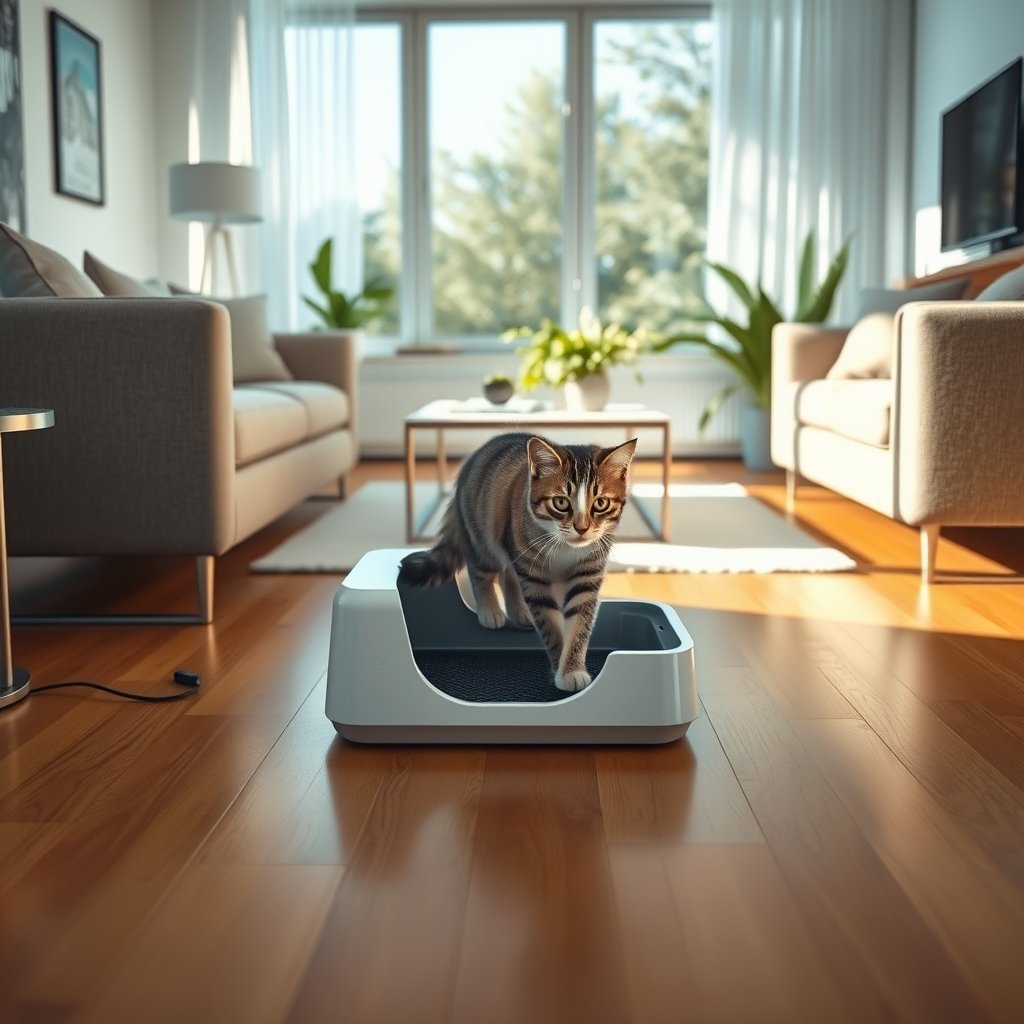
Demand for the automatic cat litter box is up sharply as time-strapped city dwellers seek out cleaner, hassle-free homes. Industry analysts report global sales hit roughly $1 billion in 2024, compared to $908 million in 2023, representing an 8–10% annual growth rate (Future Market Insights). Growth drivers: busy schedules, rising urbanization, concerns about hygiene and odor, and a strong shift to privacy/odor-control enclosed designs (now about 33% of market and 22% of major retailer sales).
This competitive, mature market means you can compare hard specs—don’t settle for vague features or “most popular” lists alone.
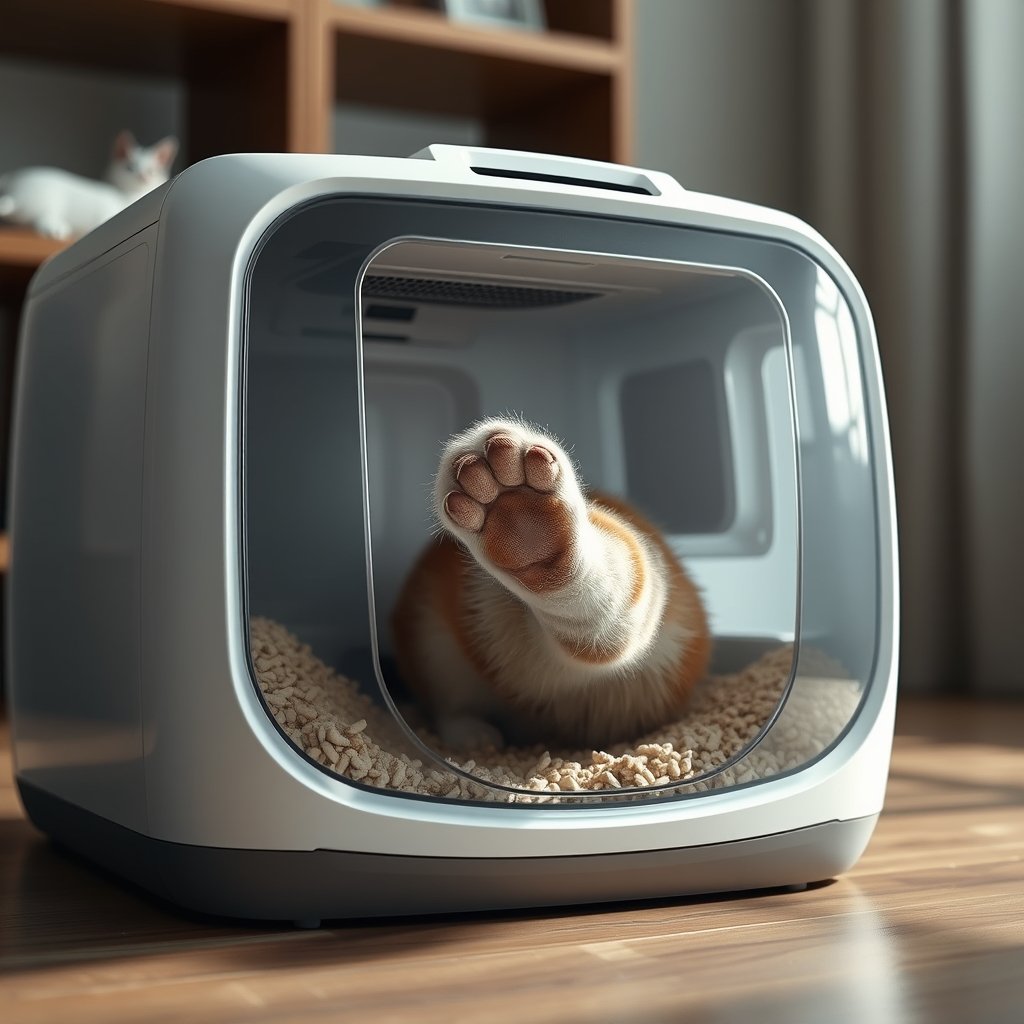
Looking to balance convenience with total cost over time? Consider ongoing expenses and product reliability. For a broader perspective on connected home devices, see our smart home energy monitor guide.
The 3 Most Common User Complaints (What To Watch For)
Self cleaning litter box reviews repeatedly flag up three critical weak points—skip these at your peril:
- Unreliable/Oversensitive Sensors: Sensors that trigger cycles from dust or minor movement cause false notifications or stop working if clogged. About 30–40% of negative reviews cite this issue (Wirecutter).
- Mechanical Durability: Gear failures, jamming, or dead motors are shockingly common, with many buyers noting breakdowns in under 12 months. Models with poor sealing can even trap moisture, speeding up wear.
- Litter Compatibility and Cramped Interiors: Not all boxes support common litter types. Cramped entryways or small interior volumes can deter cats or instigate pecking order fights in multi-cat households (ClassActCats).
| Model | Sensor Tech | Noise Level (dB) | Power/Battery | Drawer Capacity (L) | Litter Compatibility | Warranty |
|---|---|---|---|---|---|---|
| AutoPro 2000 | IR, non-adjustable | 50 dB | AC only, no backup | 4.5 | Clumping clay only | 12 months, limited |
| CleanSphere Max | Weight + IR, calibratable | 42 dB | AC + battery, 12hr backup | 6.0 | Clay, crystals, wood pellets | 24 months, full |
| PrivacyBox 4S | IR + pinch sensor | 46 dB | AC only | 5.0 | Clumping/low-dust clay | 18 months, rotating parts only |
| LitterTech Ultra | Laser/step calibration | 38 dB | AC + battery, 24hr backup | 7.5 | All except silica gel | 36 months, full |
For troubleshooting real-world pitfalls and understanding total ownership costs—including filter and backup battery expenses—see our portable power station for home backup overview and smart thermostat TCO guide.
How to Test Sensors and Reliability (At Home or In-Store)
- Sensor Reset: Manually trigger a cleaning cycle, then add a soft object or sprinkle litter dust—check for false triggers you didn’t cause.
- Jam Simulation: Pause a cycle and gently obstruct the tray or gear—watch for auto-stop or error code on the app/display.
- Noise Measurement: Use your phone’s decibel rating app next to the box during operation. For apartment dwellings, anything over 45 dB is likely annoying.
For broader tips on maximizing small living spaces, visit our garage gym on a budget guide.
Final Recommendation & Next Steps
When buying an automatic cat litter box, let real specs—not just flashy features—guide your decision. The most important criteria: sensor reliability, measured noise level, exact drawer capacity, and clear warranty/parts policy. For busy single or two-person households with 1–2 cats, prioritize models with multi-litter compatibility, under-45 dB cleaning, and documented anti-jam features.
Don’t buy until you’ve asked the seller for specifics on decibel rating, sensor type/calibration, compatibility, and warranty language—as these details are most likely to influence daily satisfaction and repair hassles.
Download our ready-to-use pre-purchase checklist and DIY in-store test script to make sure you pick a model that fits your real needs.
With the right diligence, your automatic cat litter box can reduce daily hassle and upkeep for years—not months. Choose wisely and review all claims before you commit.
FAQs & Myths — Short Answers to Common Buyer Fears
Are automatic cat litter boxes really more hygienic?
Most models reduce daily scooping and odor, especially enclosed versions with carbon filters, which now represent about one-third of the market (Persistence Market Research). But hygiene depends on emptying drawers and replacing filters as recommended.
Will my cat use an automatic litter box?
Most cats adapt if the interior isn’t too cramped and the entry is low/stable—avoid models under 20L volume for bigger pets or multi-cat homes. Sudden noises can deter shy cats; acclimate them gradually by disabling auto-cycles at first.
Do these boxes get smellier than regular boxes?
Not if you change filters and empty the drawer promptly. Odor-focused, fully-enclosed boxes are now dominant. But if the box overfills or isn’t sealed well, smells can build up just as fast as with a manual box.
Are they really maintenance-free?
No. While daily scooping is replaced, you must still empty drawers, change carbon or HEPA filters, and occasionally clear out stuck litter or clean sensors. Mechanical parts can require repair, often within 1–2 years depending on build quality.
Can any litter type be used?
No—always check the supported litter list. Most models require clumping clay or specific grain size. Using unsuited litter can clog mechanisms or trigger false errors, which is a frequent cause of buyer frustration.
Sources: Persistence Market Research, Future Market Insights, Wirecutter.