

Dog probiotic chews are one of the most popular supplement formats for owners who want quick digestive and immune support benefits but prefer a treat over a capsule or powder. If you’re a proactive pet parent eyeing Amazon or Chewy listings, you’ll want transparent, science-backed info to ensure the chews you pick actually work—for your dog’s specific needs and sensitivities.
Table of Contents
Key Takeaways
- Choose chews with proven strains and published doses, not just generic “probiotics.” Look for Enterococcus faecium NCIMB 10415, Bacillus subtilis DE111, or C-3102, and Bifidobacterium longum BL999.
- Check the label for clear strain IDs, guaranteed CFU counts (preferably to expiration), third-party certification, and ingredient transparency—not all chews deliver on claims.
- Soft chews are easier for small or senior dogs; real reviews warn about texture, side effects, and price—don’t ignore downsides when buying dog probiotic chews online.
- Why dog probiotic chews — who they help and when to use them
- The strains and clinical evidence that matter
- What top-selling probiotic chews actually contain
- How to read labels — what to verify before you buy
- Real user downsides — top complaints on Amazon & Chewy
- Where competitor content typically falls short
- A short, actionable buying checklist
- How to trial safely and measure results
- Must-have comparison columns for the product review grid
- Conclusion
- FAQ
Why dog probiotic chews — who they help and when to use them
Dog probiotic chews are designed for pet owners tackling issues like acute or chronic diarrhea, gas, bloating, irregular or soft stool, and stress-induced digestive upsets, especially after travel or food changes. In 2024, product marketing and reviews cite additional benefits for immune function, reducing itchy skin, and even calming anxious behavior. For dogs like Sarah’s—a six-year-old small or medium pet with mild GI and skin symptoms—these chews can provide daily support, help after antibiotics, or stabilize digestion during stressful events.
But there’s an important boundary. Probiotic chews are best for mild, non-urgent gut or skin problems or as a maintenance tool. For severe, unresponsive, or acute illness (bloody diarrhea, rapid weight loss), always consult a vet first. Chews are not a substitute for prescription probiotics or targeted medical treatment when your dog is unwell.

The strains and clinical evidence that matter (the “what works” section)
Many products just tout “probiotics,” but scientific research proves that in dogs, which strain and how much matter a lot for real results. Here’s what the best evidence (2023-2024) actually shows:
- Enterococcus faecium NCIMB 10415 (at ~2 × 10⁹ CFU/day): Shown in multiple studies to improve fecal quality, reduce diarrhea episodes, lower bad bacteria, and increase nutrient absorption. This is one of the most clinically supported strains for routine gut issues. [source]
- Bacillus subtilis C-3102 (Calsporin) (at ~1 × 10⁹ CFU/kg): Also documented to enhance fecal firmness and reduce pathogens—and is often chosen for its shelf stability.
- Bacillus subtilis DE111: In a 2023–2024 double-blind dog study, DE111 sped up the resolution of acute gastroenteritis by 30% and promoted higher beneficial gut flora. [source]
- Bifidobacterium longum BL999: A 2024 clinical trial found this calming strain lowered cortisol in stressed dogs and improved anxious behaviors—a likely benefit behind “Calming Care” chews.
Veterinary consensus is clear: for the best probiotics for dogs, always check for named strains at proven doses rather than generic “proprietary blends.” Guaranteed CFU per dose (not just “at manufacture”), and inclusion of dog-studied strains like those above, are essential for buyers who want evidence, not empty claims.
What top-selling probiotic chews actually contain (strains, prebiotics, format)
A close look at best sellers on Amazon and Chewy reveals most dog probiotic chews blend 5–8 strains. Common inclusions are Enterococcus faecium (usually NCIMB 10415), Lactobacillus acidophilus, L. casei, Bifidobacterium animalis, B. longum BL999, Bacillus subtilis (DE111 or C-3102), and sometimes Saccharomyces boulardii. Prebiotics, such as inulin, chicory root, and pumpkin, are added to boost probiotic survivability and help beneficial bacteria flourish.
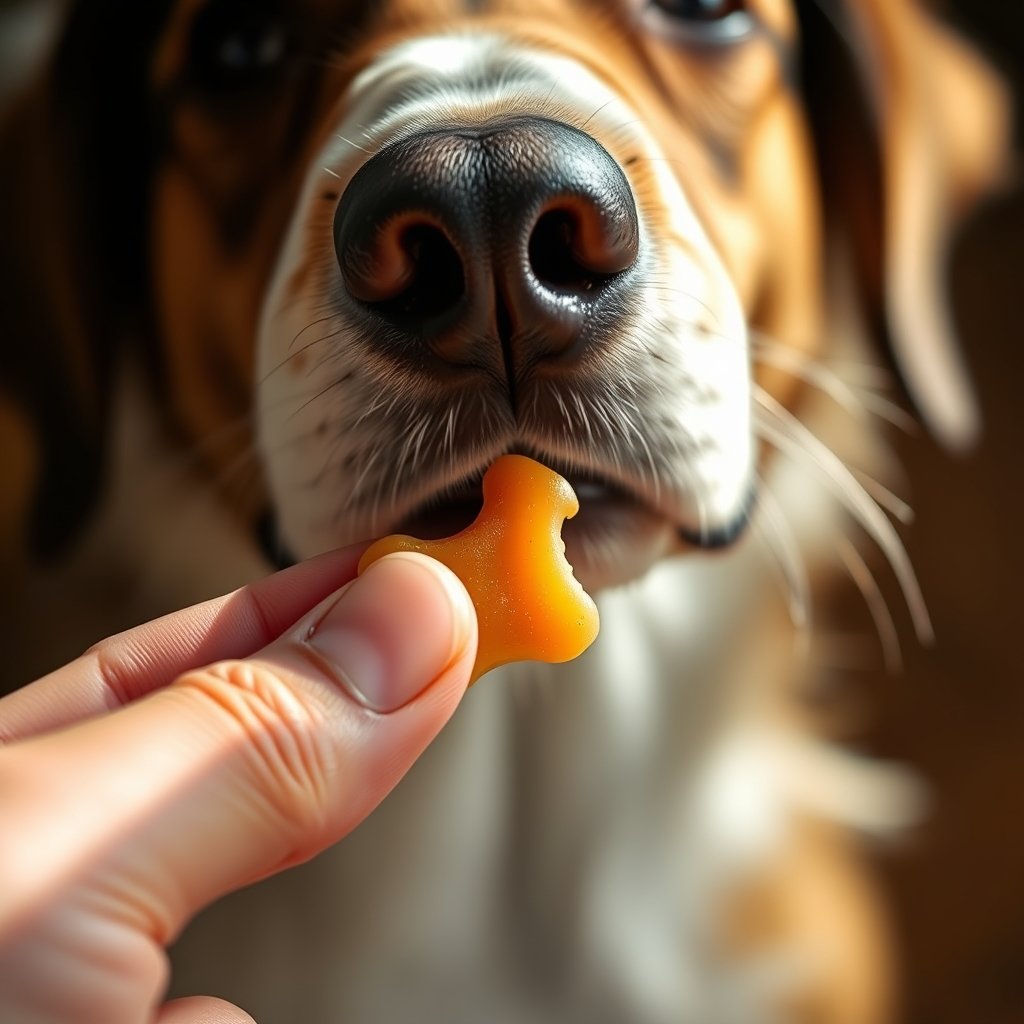
The treat format matters. Soft chews are more palatable for small, aging, or picky dogs, with reviews on products like Zesty Paws Probiotic Bites and VetriScience Chews confirming better acceptance than harder or crumbly chews. However, softer textures can sometimes mean more fillers, so always read the ingredient list. Also, some strains like Bacillus subtilis are spore-forming and naturally shelf-stable, reducing the need for refrigeration.
- Typical blend: 5–8 clinically relevant strains paired with prebiotic fiber.
- Texture: Soft chews are easier for most dogs than tablets or hard chews, especially for older pets; hard chews may be more stable for shipping, but risk palatability problems.
- Certifications: Top brands like VetriScience Everyday Gut Health, Nutramax Proviable, and Zesty Paws feature NASC or ConsumerLab verification for consumer safety.
- See a full chew comparison grid at the end of this article for the best probiotics for dogs, ingredient by ingredient.
For detailed ingredient and flavor comparisons, review guides like Enchanting Pets’ best probiotic chews for dogs or the AKC’s evidence summary as you shop.
How to read labels — what to verify before you buy
Most “disappointing” reviews for probiotic chews boil down to vague or inconsistent labeling. Here’s your go-to checklist for the best probiotics for dogs:
- Strain IDs must be listed—look for full strain names (like “Bacillus subtilis DE111,” not just “Bacillus subtilis”).
- CFU per serving should match clinical studies: e.g., ~2 × 10⁹ CFU/day for E. faecium NCIMB 10415, ~1 × 10⁹ CFU/kg for B. subtilis C-3102.
- Guarantee to expiration: Does the label promise potency through the shelf life?
- Prebiotics (inulin, chicory, pumpkin) should be clearly listed—and ideally, the amount per chew is specified.
- Ingredient list: Watch for unwanted fillers, sweeteners, and artificial flavorings (common in soft chews).
- Storage instructions: Most spore-formers are shelf-stable; classic strains often require refrigeration for label accuracy.
- Third-party certification: Look for the NASC seal or ConsumerLab/ISO verification.
Consumers frequently report that CFU counts do not match label claims—if in doubt, request a Certificate of Analysis or check if the brand links detailed lab results.
Real user downsides — top complaints on Amazon & Chewy you must surface
For transparency, it’s essential to share the honest feedback collected from thousands of real-world users on Amazon and Chewy for dog probiotic chews in 2024:
- Texture/Palatability: Hard or crumbly chews frustrate owners of small/senior dogs; soft textures are preferred but may have more sugar or binders.
- Artificial Odors or Flavors: Some chews have strong, lingering smells that make daily dosing an ongoing battle.
- Side Effects: Users sometimes note mild vomiting or softer stools for the first week. In rare cases, symptoms persist and require discontinuation.
- Perceived Lack of Benefit: Some buyers report “no visible difference” even after several weeks of use.
- Price and Value: Genuine concern about high cost-per-dose in top brands, particularly for multi-dog households.
- CFU/Ingredient Discrepancies: Inconsistent labeling or vague strain information is a persistent complaint on review platforms (source).
- Flavor Limitations: Limited flavor choices can make long-term compliance difficult for picky eaters.
Because your dog’s acceptance is key, try sample packs before committing to a subscription or large tub.
Where competitor content typically falls short (what your article will compare that others don’t)
If you browse typical top-10 lists, you’ll notice almost no transparency regarding these gaps:
- Strain-specific clinical endpoints: Most reviews ignore the critical differences between generic species and named, studied strains (like DE111, C-3102, or NCIMB 10415), and don’t compare real trial outcomes.
- Dosing clarity: Competitors rarely match published study doses versus what’s in a chew—leading to weak real-world results.
- CFU stability: Many products tout “per serving” but don’t say if CFU counts are guaranteed at expiration.
- Prebiotic content: Documentation on what prebiotic sources are used and why usually gets skipped.
- Certification details: What does “NASC” or “ConsumerLab” testing really indicate? Most pages mention it, but few explain why it matters for consumers seeking purity and potency assurance.
You deserve head-to-head breakdowns of best probiotics for dogs, not just marketing language—see our detailed comparison table below.
A short, actionable buying checklist (for shoppers ready to purchase)
- Look for evidence-backed, dog-specific strains: Prefer Enterococcus faecium NCIMB 10415 (2 × 10⁹ CFU/day), Bacillus subtilis DE111 or C-3102 (≥1 × 10⁹ CFU/kg), or Bifidobacterium longum BL999 (for calming support).
- Verify CFU per dose and guarantee: Check for clear “CFU per serving” and “guaranteed to expiration” claims.
- Choose a texture your dog will eat: Soft chews suit most dogs, but double-check for hard or crumbly reviews if you have a picky or senior pet.
- Prefer third-party/NASC certified products: Look for independent testing for potency and safety.
- Compare price per serving and flavors: Calculate cost for your dog’s ideal serving (based on weight), and don’t overlook flavor variety for long-term compliance.
Example high-evidence offerings for buyers:
- Enterococcus faecium NCIMB 10415 — clinical dose at 2 × 10⁹ CFU/day
- Bacillus subtilis C-3102 — clinical dose at 1 × 10⁹ CFU/kg
- DE111 — 30% faster resolution of acute GI upsets
- B. longum BL999 — anxiety and cortisol reduction in stressed dogs
If possible, pick chews with these strains and public dosing.
How to trial safely and measure results (duration, dose, and side-effect watchlist)
Best results from dog probiotic chews are usually seen after 2 to 6 weeks of daily use. Begin with the recommended daily dose for your dog’s weight. Monitor closely for:
- Short-term changes: Temporary soft stools or mild GI upset can occur with most probiotics. If vomiting, diarrhea, or poor appetite persists beyond five days, stop and contact your vet.
- Visible improvement: Look for firmer stools, less gas, improved coat, or calmer behavior within 2–6 weeks. No change? Switch strains, review label for dosing issues—or consult your veterinarian.
- Record side effects: Always log and report side effects quickly, especially with immune-compromised dogs or first-time probiotics use.
For dogs already on antibiotics or with chronic allergies, speak to your vet to tailor the strain, dose, and trial duration. Some chews (like those with Bacillus subtilis DE111) may work more quickly in acute GI upsets, but patience is key for skin or behavioral results.

Must-have comparison columns for the product review grid
| Brand & Product | Strains (IDs) | CFU/Serving & Guarantee | Clinical Dose Provided? | Prebiotic Type | Texture / Flavor Options | Storage | Certification | Price / Serving | Top User Complaints |
|---|---|---|---|---|---|---|---|---|---|
| VetriScience Everyday Gut Health | Enterococcus faecium NCIMB 10415, Lactobacillus acidophilus, L. casei | 2 × 10⁹ CFU Guaranteed to expiration |
Yes | Inulin, Pumpkin | Soft chew / Chicken Liver, Bacon | Shelf-stable | NASC, ConsumerLab | $0.45 | Some picky dogs reject, texture too hard for some seniors |
| Zesty Paws Probiotic Bites | Bacillus subtilis DE111, L. casei, L. acidophilus, B. longum BL999 | 3 × 10⁹ CFU Unclear if to expiration |
Partial | Inulin, Chicory Root | Soft chew / Pumpkin, Chicken, Peanut Butter | Shelf-stable | NASC | $0.38 | Crumbly texture, strong odor, some see no change |
| Vet’s Best Probiotic Soft Chews | Bacillus coagulans, L. acidophilus, E. faecium | 1.5 × 10⁹ CFU Not guaranteed to expiration |
No (below clinical) | Inulin | Soft chew / Bacon, Peanut Butter | Shelf-stable | NASC | $0.51 | Some GI upset, dogs dislike taste, possible loose stools |
| Nutramax Proviable-DC | Enterococcus faecium, Bifidobacterium bifidum, L. acidophilus | 5 × 10⁹ CFU Guaranteed to expiration |
Yes (partial) | Fructooligosaccharides | Capsule (can sprinkle), no treat flavor | Refrigerate after opening | ConsumerLab | $0.86 | No chew format, more for severe GI use, higher price |
| Pawfy Probiotics for Dogs | Bacillus subtilis, L. plantarum, L. acidophilus | 1 × 10⁹ CFU Unverified guarantee |
No (likely below) | Chicory Root | Soft chew / Peanut Butter, Chicken | Shelf-stable | NASC | $0.34 | No benefit seen in some dogs, mild stomach upset reports |
For more on technical differences between formulas, see PetMD’s best probiotics for dogs guide or compare ingredient lists on manufacturer websites.
Also see our resources on smart home energy monitors and best air purifiers for home if you’re interested in optimizing your living environment for pets and people alike.
Conclusion
When shopping for dog probiotic chews, focus on evidence-based strains, the right dosing, and honest labeling. Soft chews with clinically proven actives like Enterococcus faecium NCIMB 10415, Bacillus subtilis DE111/C-3102, and B. longum BL999, paired with prebiotics, offer the most real-world value for mild gut or skin issues. Certification, flavor, and chewability all matter for compliance—don’t overlook genuine user complaints. The most effective dog probiotic chews are always those that fit your individual dog’s health, preferences, and safety needs.
Ready to buy? Print our buying checklist above and compare labels before ordering. Still unsure? Discuss the top-ranked options with your vet to maximize safety and success.
FAQ
How long does it take for dog probiotic chews to work?
Some changes appear within a few days (especially for acute digestive issues), but for stool quality, skin, or behavior, realistic improvements tend to show after 2–6 weeks of consistent dosing.
Are there any side effects to dog probiotic chews?
Mild gas, softer stools, or rare vomiting may occur in the first week; persistent or severe symptoms should prompt you to stop and consult your vet. Most side effects resolve quickly with proper dosing.
Is it safe to give dog probiotic chews every day?
Yes, for labeled chews containing study-backed strains and at recommended doses, daily use is generally safe—including for long-term maintenance. Always follow package instructions and monitor your dog’s response.
Can I use dog probiotic chews during antibiotic treatment?
Probiotics can help during and after antibiotics, but consult your veterinarian for timing and strain selection, as some work better for antibiotic-associated GI upset than others.
What’s the difference between soft chews and hard chews?
Soft chews are easier for small, senior, or picky dogs to eat but can crumble and may use more fillers. Hard chews last longer and can be less messy but are often rejected by sensitive dogs. Always match the texture to your pet’s needs.
—