

### Blog Post:
peel and stick backsplash offers an affordable, fast, and surprisingly durable way to refresh your kitchen, even on a tight budget or as a renter worried about “do no harm” upgrades. This straight-talking guide cuts through the hype to help you decide if a DIY kitchen backsplash with peel and stick tiles really fits your needs—and ensures you avoid all-too-common pitfalls that can cut their already modest lifespan short.
Table of Contents
Key Takeaways
- Peel and stick backsplash projects start at roughly $3–$15 per square foot DIY, with the entire 30 sq ft area costing $150–$300 and lasting an average of 5–7 years for good products.
- Easy to install and renter-friendly, but these backsplashes are not suitable for direct heat or perpetually damp zones—proper prep is critical to avoid bubbles, lifting, and seams.
- Missteps like skipping surface prep or ignoring installation temperature can cut lifespan in half—do a 24-hour adhesion test before committing.
- Quick Verdict — Is a peel and stick backsplash right for your kitchen?
- Step-by-Step Guide: How to Do It Right
- Advanced Analysis & Common Pitfalls
- Conclusion & Next Steps
- FAQ: Peel and Stick Backsplash
Quick Verdict — Is a peel and stick backsplash right for your kitchen?
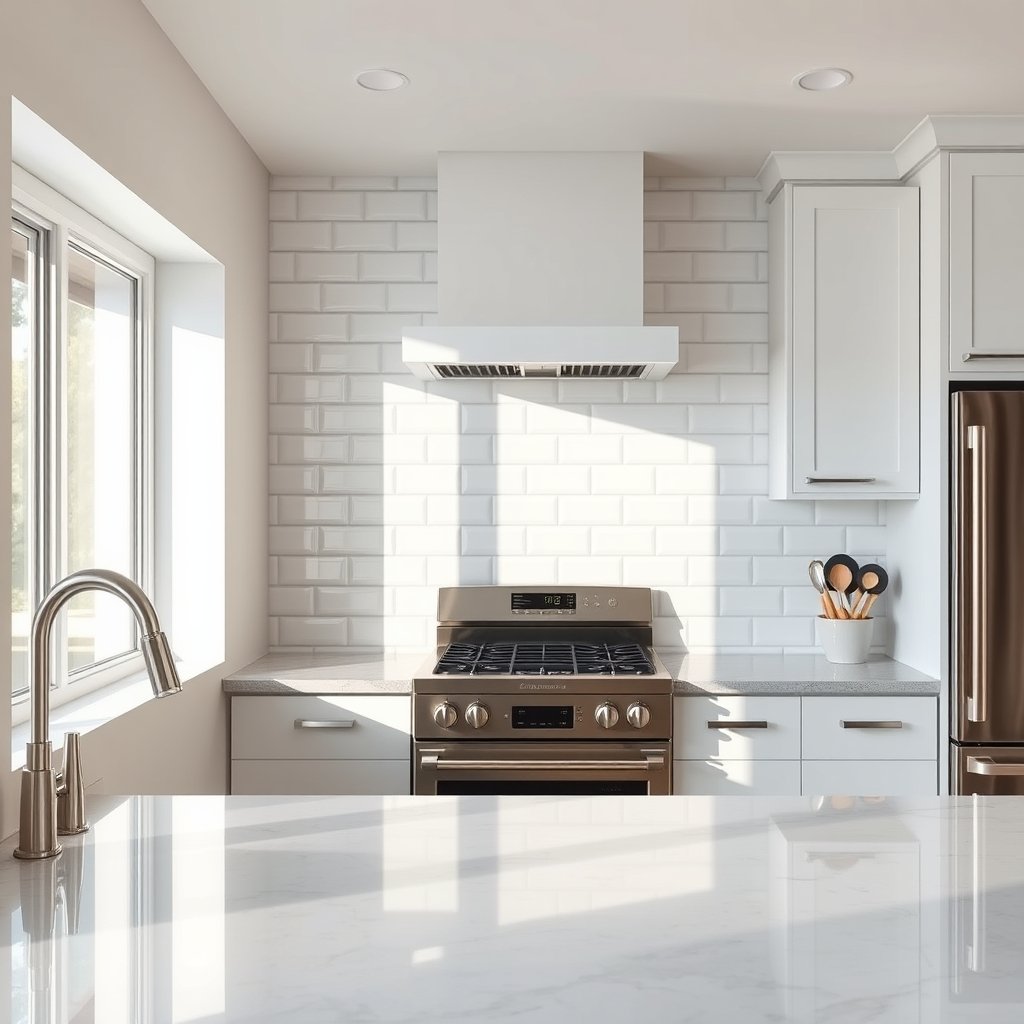
Making the decision comes down to your priorities: If you want an affordable, fast-impact, and low-mess DIY kitchen backsplash—especially in a rental or for a quick cosmetic upgrade—a peel and stick backsplash can be a great fit. Expect to pay $150–$300 materials for a typical 30 sq ft install and gain an average 5–7 year lifespan (sometimes 8–10 years for stiffer, premium products). Owners seeking maximum resale, extreme longevity, or working around heat or constantly wet zones should treat peel and stick as a budget-friendly bridge, not a forever feature; traditional ceramic tile can last 20 years or longer but at a much higher cost of materials plus professional labor.
Step-by-Step Guide: How to Do It Right
Follow this realistic step-by-step for a successful DIY kitchen backsplash with peel and stick tiles—no pro tools needed and mistakes minimized.
- Measure your area carefully. For a 30 sq ft kitchen backsplash, buy enough tiles for the full area plus 10% for waste. Most packs specify coverage, but double-check with your wall dimensions.
- Clean the walls with a degreaser. Wipe with a damp cloth to remove residues, then let dry thoroughly. Very glossy paint, light orange peel, or previously uneven surfaces should be lightly sanded and vacuumed.
- Snap a level reference line. Use a Laser or bubble level and mark light pencil or chalk lines where your bottom row will start—usually directly above the countertop.
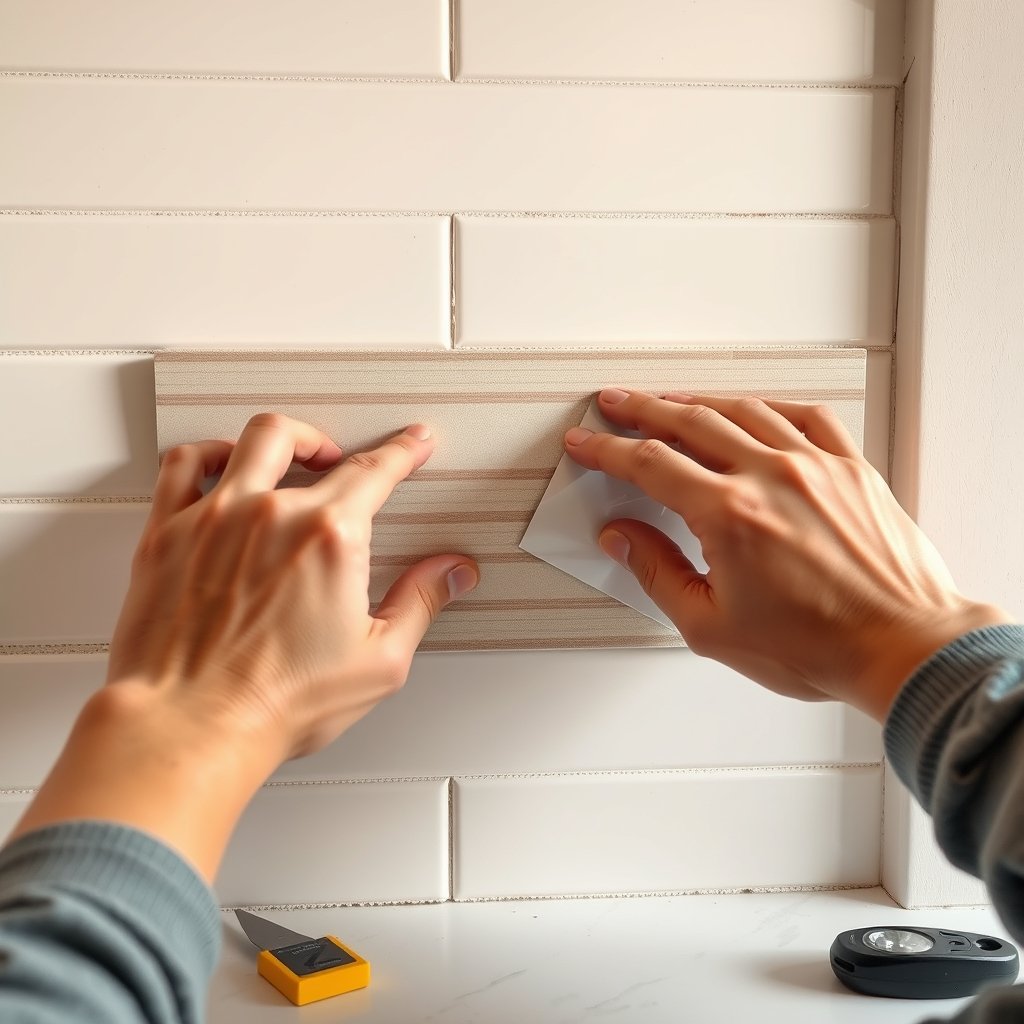
- Test your first tile. Peel backing and stick one tile where it will be least visible. Press firmly for at least 30 seconds, using a J-roller for even pressure. Wait 24 hours to see how it bonds.
- Lay out your pattern. Start from the center of your backsplash area and work outward to either side. Dry-fit several tiles to check for odd cuts or pattern conflicts at corners and outlets.
- Install tiles in sequence. Peel the backing, butt each tile tightly to the previous, and press firmly. Use a J-roller or rolling pin, especially along seams and edges, to guarantee no air is trapped.
- Seal where necessary. At seams and any edges near sinks, run a thin bead of clear silicone caulk or seam sealant for extra waterproofing.
- Avoid immediate water exposure. Don’t wipe or splash the new tile for at least 48 hours; this lets the pressure-sensitive adhesive fully cure.
- Clean-up. Use mild soap or a pH-neutral cleaner—never abrasive pads or harsh chemicals, which scratch vinyl and can cause edges to lift.
Essential Shopping List for a 30 Sq Ft Backsplash
- Peel and stick backsplash tiles (33–36 sq ft coverage, for 10% waste allowance)
- J-roller (or heavy rolling pin)
- Measuring tape, utility knife, scissors
- Laser or bubble level, pencil
- Fine sandpaper (220+ grit) for prep
- Degreaser or mild cleaning solution
- Optional: clear silicone caulk or seam sealer, caulk gun
- Optional: heat gun or hair dryer for tough corners or re-adhering any edges
Project Timeline, Labor, and ROI
- Surface prep and layout: 2 hours
- Install for 30 sq ft: 2–3 hours if working solo, less if you have a helper
- Adhesive cure before cleaning: 48 hours
- Total DIY labor savings: $300–$600 vs pro tile install—spend that on new faucet or lighting
Want to see how a smart home upgrade compares? Check out our guide to best smart home energy monitors in 2026 for more high-impact, budget-friendly ideas.
Advanced Analysis & Common Pitfalls
Despite massive popularity, real-world reviewers and DIYers experience a predictable set of frustrations with peel and stick backsplash projects. Here’s what the research—and hundreds of user stories—show, so you can avoid early replacement or expensive mistakes.
| Factor | Peel & Stick Backsplash | Traditional Tile |
|---|---|---|
| Cost per sq ft (source) | $3–$15 (DIY) | $15–$40 (materials + pro labor) |
| Expected lifespan | 5–7 years (occasionally 8–10 for high-end) | 20+ years |
| Heat resistance | Adhesive to ~200°F—avoid behind burners | Handles all typical kitchen temps |
| Water resistance | Good, if vinyl with solid bonding and seams sealed | Excellent—grout and glazed finish resist steam/water |
| Scratch resistance | Low—prone to marks, avoid abrasives | High—ceramic/porcelain withstands scrubbing |
| Suitability for renters | Very—removable, doesn’t damage base wall if installed right | Poor—permanent and hard to remove |
Most Common Frustrations—and Prevention Tips
- Bubbles & Lifting: Most peel and stick failures come from uneven, oily, or cold wall surfaces. Always sand lightly and use a degreaser. Never install below 60°F.
- Seam Gaps: Poor alignment or stretching during install causes gaps to appear over time. Work with a level line from the center and never over-stretch flexible tiles.
- Premature Peeling: Most often seen in steamy or high-heat zones (behind cooktops, near appliances). Respect the 6–12 inch no-go buffer from burners. Use caulk near sinks.
- Chemical Odor: Cheap adhesives outgas for weeks—this is less common in top-rated brands such as those outlined here and in brand comparison articles.
- Edge Lifting After a Year: Plan to re-seal seams annually, especially in humid kitchens. Use a heat gun or hair dryer to re-activate adhesive and press edges back down.
When Not to Use Peel and Stick Backsplash?
- Directly behind gas burners or high-heat zones: Always maintain a 6–12 inch distance from open flames or heat sources; adhesives are not rated for this.
- On highly textured/porous walls: Excess texture or roughness means the adhesive cannot grip, leading to quick lifting.
- If ultra-long lifespan is essential: For “forever kitchens” or resale play, invest in traditional tile.
Want DIY that truly lasts? See our complete guide on setting up a budget home gym that doesn’t disappoint—solid prep steps that also apply to kitchen projects.
Long-Term Maintenance
- Wipe weekly with damp microfiber or mild, pH-neutral soap; never use abrasive pads.
- Re-seal seams annually (especially in heavily used kitchens or behind sinks).
- When small bubbles or edge lifting appear, heat gently to re-stick before the problem spreads.
Conclusion & Next Steps
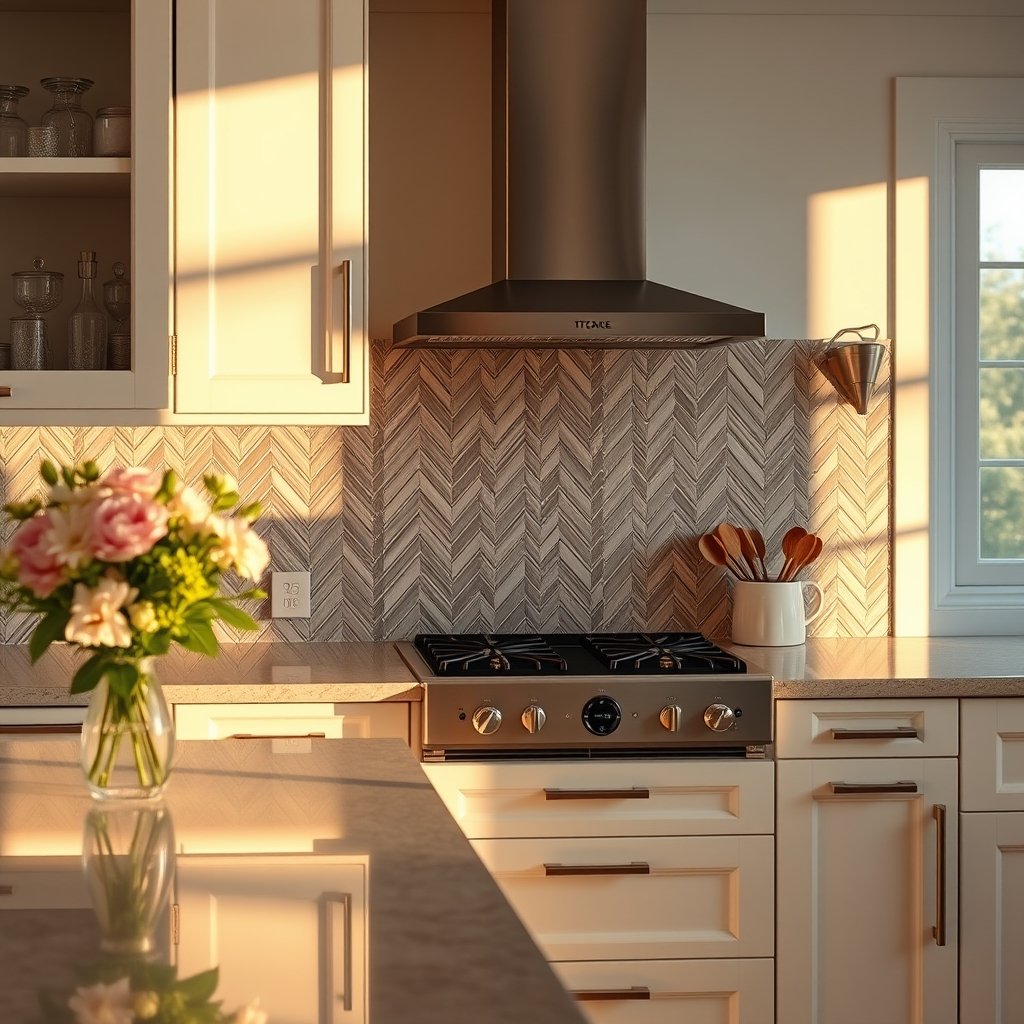
If you want a high-impact kitchen refresh without the high expense or hassle, peel and stick backsplash offers a realistic, budget-proven solution. You can handle 30 sq ft in an afternoon, avoid costly demolition or hiring a pro, and get a good 5–7 years of visual upgrade—just plan your layout, do a 24-hour adhesion pre-test, and stick to surface prep. Still, the peel and stick backsplash is not for long-term or high-heat spots, so set proper expectations and maintain those seams if your kitchen is steamy.
Try this: Measure your wall space and do a single 24-hour adhesion test before you commit to an entire kit—your kitchen (and wallet) will thank you.
FAQ: Peel and Stick Backsplash
How long will peel and stick backsplash last in a busy kitchen?
Most brands last 5–7 years when installed properly; some high-quality types reach 8–10 years. Heavy steam or water exposure shortens this.
Is peel and stick backsplash safe behind a stove or cooktop?
No—adhesives are rated to 200°F only. Always keep a 6–12 inch buffer from open burners and direct heat to prevent peeling or softening.
What’s the best way to clean and maintain a peel and stick backsplash?
Use a damp microfiber cloth and mild soap; avoid harsh chemicals or abrasive pads. Re-seal seams annually to extend its lifespan.
What causes lifting or bubbling, and how can I fix it?
Main culprits: surface not cleaned, install in cold conditions, or not enough pressure applied. Gently heat the area with a hair dryer and press the tile back down.
Can I remove the backsplash later without damaging the wall?
Usually yes. Warm the surface with a heat gun or hair dryer and peel tiles slowly—minimal wall damage if original paint is sound and secure.